.png)

October 6, 2026
The Real Meaning of Digital Inclusion:
The "mobile-first economy" demands that digital access is no longer optional but the norm. For the homelessness sector, this redefines what "digital inclusion" actually means — the ability to participate fully in society now depends on having default online capability.
At Just Homes, we've been adapting our digital inclusion support in line with shifts in the digital world and their reflection in the social and economic fabric of our society. Those experiencing homelessness sit at the most disadvantaged end of the economic spectrum and are often the least equipped for digital adaptation, which only widens existing inequalities.
From access to safe, confident use
From the early Covid years to the present, a structured and comprehensive digital inclusion strategy — aimed at helping our residents integrate and make competent use of today's socio-economic environment — has become a central focus of our support service. We recognise that as services move online, so too does online fraud and exploitation, which makes "safe and confident use" just as important as "access". In a borough defined by deprivation, low employability skills and high transience, but also an enterprising and ambitious population, we remain focused on tracking digital trends, identifying gaps, and equipping residents to re-engage with the economic and social fabric of modern life.
A generation of change
It's worth reflecting that, in just a generation, digital access has shifted from a fixed, location-based service to something people carry with them at all times. From limited computer ownership in the 1990s to smartphones and mobile data in the 2010s, the internet has moved from a place you go to, to something constantly with you. This transformation has reshaped how people interact with society — and how businesses operate.
As customers become permanently connected, more organisations and sectors are recognising they can deliver services digitally at lower cost and greater scale. Retail led this shift, followed by banking, travel and media — but today there is no part of society untouched by the digital transition, including sophisticated crime. Social media now shapes and influences public opinion at a scale and speed that is both unprecedented and difficult to fully comprehend.
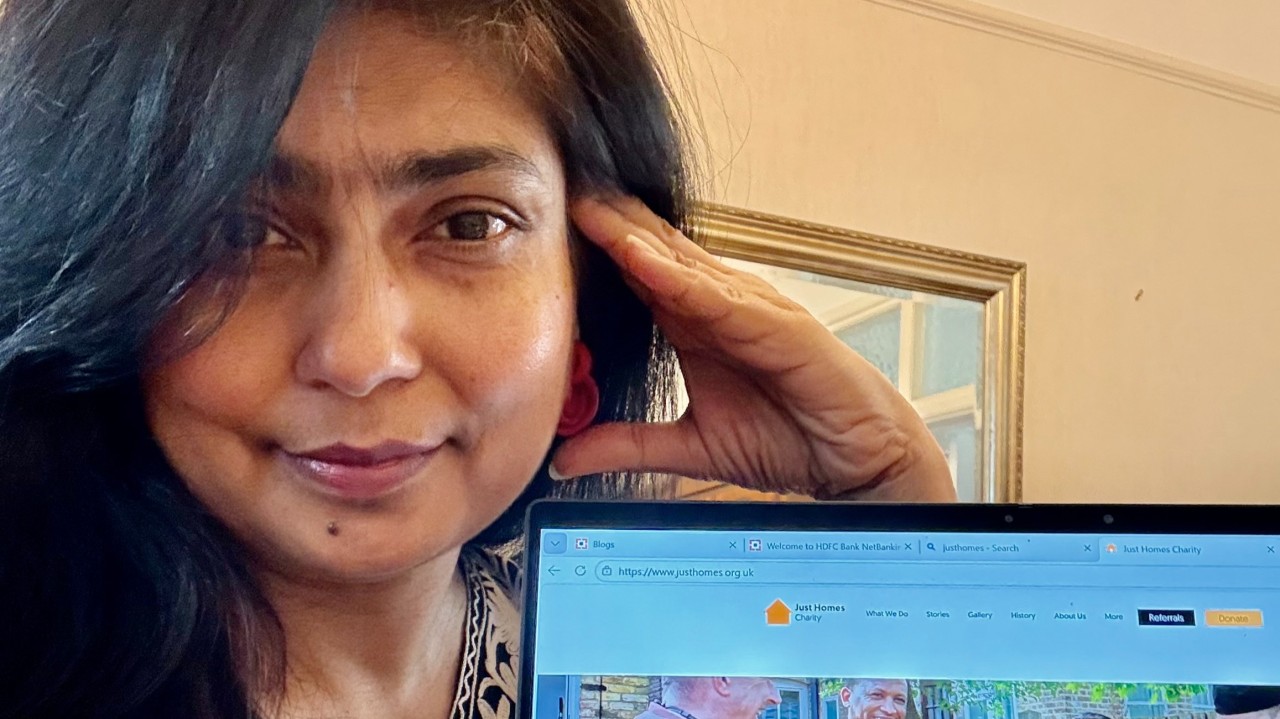
Christina Isaac, CEO, Just Homes Charity
More Updates
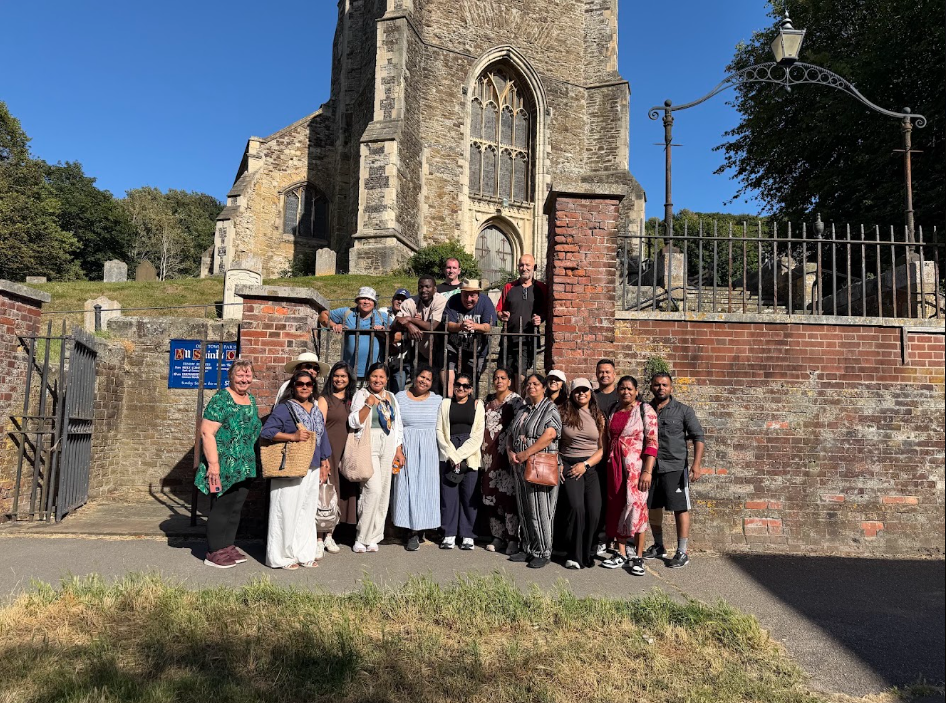
History, Fish and Chips: Our Team Day Out in Hastings
A day of history, seaside smiles and team spirit



"Is not this the fast that I choose: to loose the bonds of injustice, to undo the thongs of the yoke, to let the oppressed go free, and to break every yoke? Is it not to share your bread with the hungry, and bring the homeless poor into your house; when you see the naked, to cover them, and not to hide yourself from your own kin?" Isaiah 58 6-7